
Mental Health Awareness Month: Why You Don’t Have to Be in Crisis to Deserve Support
Every May, Mental Health Awareness Month encourages conversations around emotional well-being, mental illness, therapy, and the importance of support. While awareness has grown significantly over the years, many people still struggle silently because they believe their pain is “not bad enough” to matter.
There is a common misconception that mental health struggles always look obvious. People often imagine someone who cannot get out of bed, is visibly emotional, or is openly asking for help. But in reality, many people experiencing anxiety, depression, burnout, trauma, or emotional exhaustion continue functioning every single day while struggling internally.
They go to work.
They answer texts.
They care for their families.
They show up to social events.
They smile in conversations.
And underneath all of it, they may feel completely overwhelmed, disconnected, exhausted, or emotionally numb.
Mental health struggles are often invisible.
The Pressure to “Keep Functioning”

One reason so many people delay seeking help is because they have learned to prioritize functioning over wellbeing. Society tends to reward productivity, independence, and pushing through discomfort. Many people are praised for being the reliable one, the hardworking one, or the strong one — even when maintaining that image comes at the expense of their emotional health.
Over time, people can become disconnected from their own needs without realizing it.
What starts as temporary stress can slowly turn into chronic burnout. Constant anxiety becomes “just how I am.” Emotional numbness gets mistaken for maturity. Exhaustion becomes normal.
People often minimize their own pain because they compare themselves to others:
- “Other people have it worse.”
- “I should be grateful.”
- “I’m still functioning.”
- “It’s not serious enough.”
- “I just need to push through it.”
But emotional suffering does not need to reach a breaking point before it deserves attention.
Mental Health Challenges Do Not Always Look Dramatic
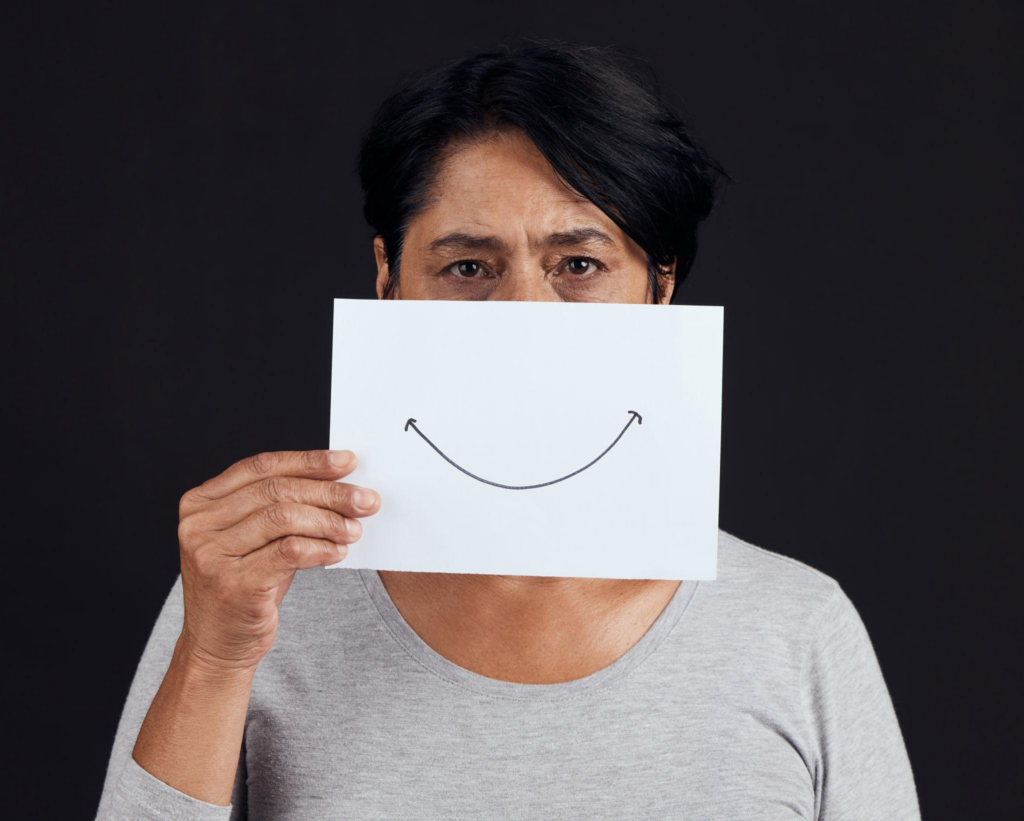
Mental health struggles can show up in quiet, subtle ways that are easy to overlook.
Sometimes it looks like:
- Feeling emotionally drained all the time
- Overthinking every interaction
- Constant irritability
- Difficulty concentrating
- Feeling detached or numb
- Struggling to rest without guilt
- Losing motivation for things you once enjoyed
- Avoiding people or responsibilities
- Feeling overwhelmed by simple tasks
- Being highly productive while secretly exhausted
- Feeling like you are “surviving” rather than living
Many people become so accustomed to operating in survival mode that they forget what it feels like to truly feel calm, connected, or emotionally present.
Burnout Is More Serious Than People Realize

Burnout is often talked about casually, but prolonged emotional exhaustion can have significant effects on both mental and physical health.
When stress becomes chronic, the nervous system can remain in a constant state of tension and alertness. Over time, this may lead to:
- Increased anxiety
- Sleep difficulties
- Emotional numbness
- Panic attacks
- Physical fatigue
- Difficulty regulating emotions
- Feeling hopeless or disconnected
- Increased risk of depression
Burnout is not simply “being tired.” It is often the result of carrying too much for too long without enough support, rest, or emotional processing.
Many people have spent years ignoring their emotional needs because they believed slowing down was weakness. In reality, constantly overriding your own limits can eventually impact every area of life — relationships, work, physical health, and self-worth.
Therapy Is Not Only for Crisis

Another harmful misconception is the idea that therapy is only for people in severe crisis. In truth, therapy can benefit anyone seeking support, insight, healing, or emotional growth.
People attend therapy for many different reasons, including:
- Anxiety
- Depression
- Burnout
- Relationship struggles
- Trauma
- Grief
- Life transitions
- Stress management
- Emotional regulation
- Self-esteem issues
- Boundaries
- Personal growth
Therapy is not about being “broken.” It is about having a space where you can process emotions honestly, understand yourself more deeply, and learn healthier ways to cope and connect.
Many people spend years trying to handle everything alone because they fear being a burden or appearing weak. But asking for support is not failure. It is a healthy response to being human.
The Importance of Honest Conversations

Mental Health Awareness Month is not just about sharing statistics or reposting inspirational quotes. It is about creating safer, more honest conversations around emotional wellbeing.
Many people are struggling quietly behind the scenes. Sometimes the people who seem the most “put together” are carrying the heaviest emotional load.
Checking in with others matters.
Listening without judgment matters.
Creating spaces where people feel safe being honest matters.
Often, people do not need someone to “fix” them. They need to feel seen, supported, and understood.
Simple questions can make a difference:
- “How have you really been lately?”
- “What’s been weighing on you?”
- “Do you want support or just someone to listen?”
Compassion matters more than perfection.
You Deserve Support Before Things Become Unbearable

One of the most important reminders during Mental Health Awareness Month is this:
You do not have to wait until things completely fall apart before seeking help.
You do not need to prove your pain in order to deserve care. You do not need to justify your exhaustion, anxiety, sadness, or overwhelm to anyone.
Support is not reserved only for emergencies.
Sometimes healing begins simply by acknowledging:
“I’m not okay lately.”
“I’m overwhelmed.”
“I’m tired of carrying this alone.”
“I need support.”
Those moments of honesty can be the beginning of meaningful change.
Final Thoughts
Mental health affects every part of life — how we think, feel, connect, work, and move through the world. Yet so many people continue suffering silently because they believe they should be able to “handle it” alone.
This Mental Health Awareness Month, give yourself permission to check in honestly with your own wellbeing.
Rest when you need rest.
Reach out when you need support.
Allow yourself to be human.
And if someone around you seems like they may be struggling, remember that small moments of compassion can have a lasting impact.
You are not weak for needing support.
You are not failing for struggling.
And you do not have to be in crisis to deserve help.