
EMDR vs. ART: Understanding Two Powerful Trauma Therapies
When it comes to trauma treatment, not all approaches are created equal—but some are closely related. Two of the most effective evidence-based trauma therapies today are EMDR (Eye Movement Desensitization and Reprocessing) and ART (Accelerated Resolution Therapy). While they share similarities, their experience in the therapy room can feel very different.
If you’ve ever wondered which approach might be right for you, here’s a clear breakdown.
What Is EMDR?

EMDR is a well-researched trauma therapy designed to help the brain reprocess distressing memories so they no longer feel overwhelming in the present.
During EMDR, a therapist guides a client to briefly focus on a traumatic memory while engaging in bilateral stimulation—often eye movements, tapping, or tones. This process helps the brain “unstick” memories that were stored during high stress or trauma.
EMDR is often used for:
- PTSD and complex trauma
- Anxiety and panic disorders
- Childhood trauma
- Phobias
- Distressing memories that still feel “raw”
What some clients find challenging:
EMDR often involves discussing or focusing directly on traumatic memories, which can feel emotionally intense—especially early in treatment.
What Is ART (Accelerated Resolution Therapy)?

4
ART is a newer trauma therapy that evolved from EMDR but places a stronger emphasis on comfort, control, and imagery.
Like EMDR, ART uses eye movements. However, ART allows clients to change the way distressing memories are stored—often without having to verbally describe the trauma in detail.
A key component of ART is Voluntary Image Replacement, where clients mentally replace distressing images with more neutral or empowering ones, while the brain processes the memory.
ART is often used for:
- Trauma and PTSD
- Anxiety and depression
- Grief and loss
- Chronic stress
- Disturbing images, sensations, or emotional reactions
What many clients appreciate:
ART tends to feel gentler, more contained, and less emotionally flooding than traditional trauma therapies.
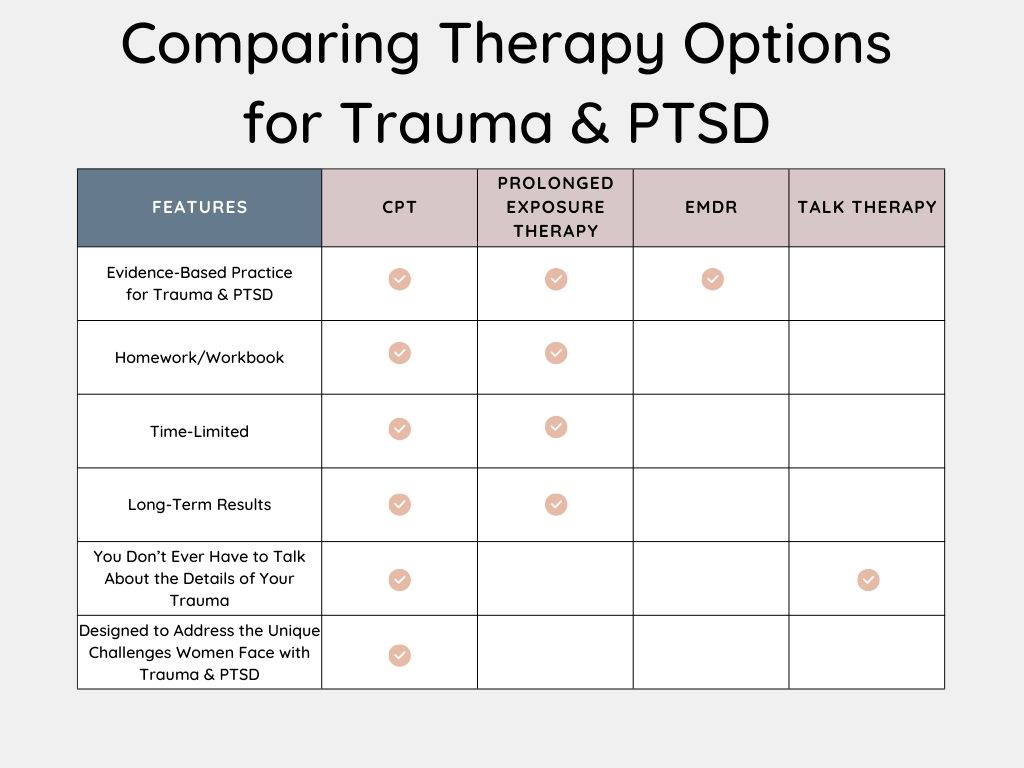
Key Differences Between EMDR and ART
4
| EMDR | ART |
|---|---|
| Focuses on reprocessing memories as they are | Allows guided replacement of distressing imagery |
| Often involves verbal recall of trauma | Minimal verbal detail required |
| Can feel emotionally intense | Typically experienced as calmer and more controlled |
| Strong research history | Growing evidence base with high client satisfaction |
Both therapies aim for the same goal: reducing emotional distress and helping the nervous system reset.
Which One Is Better?
The honest answer? It depends on the person.
- Some clients do very well with EMDR and appreciate its structured approach.
- Others prefer ART because it feels less overwhelming and more empowering.
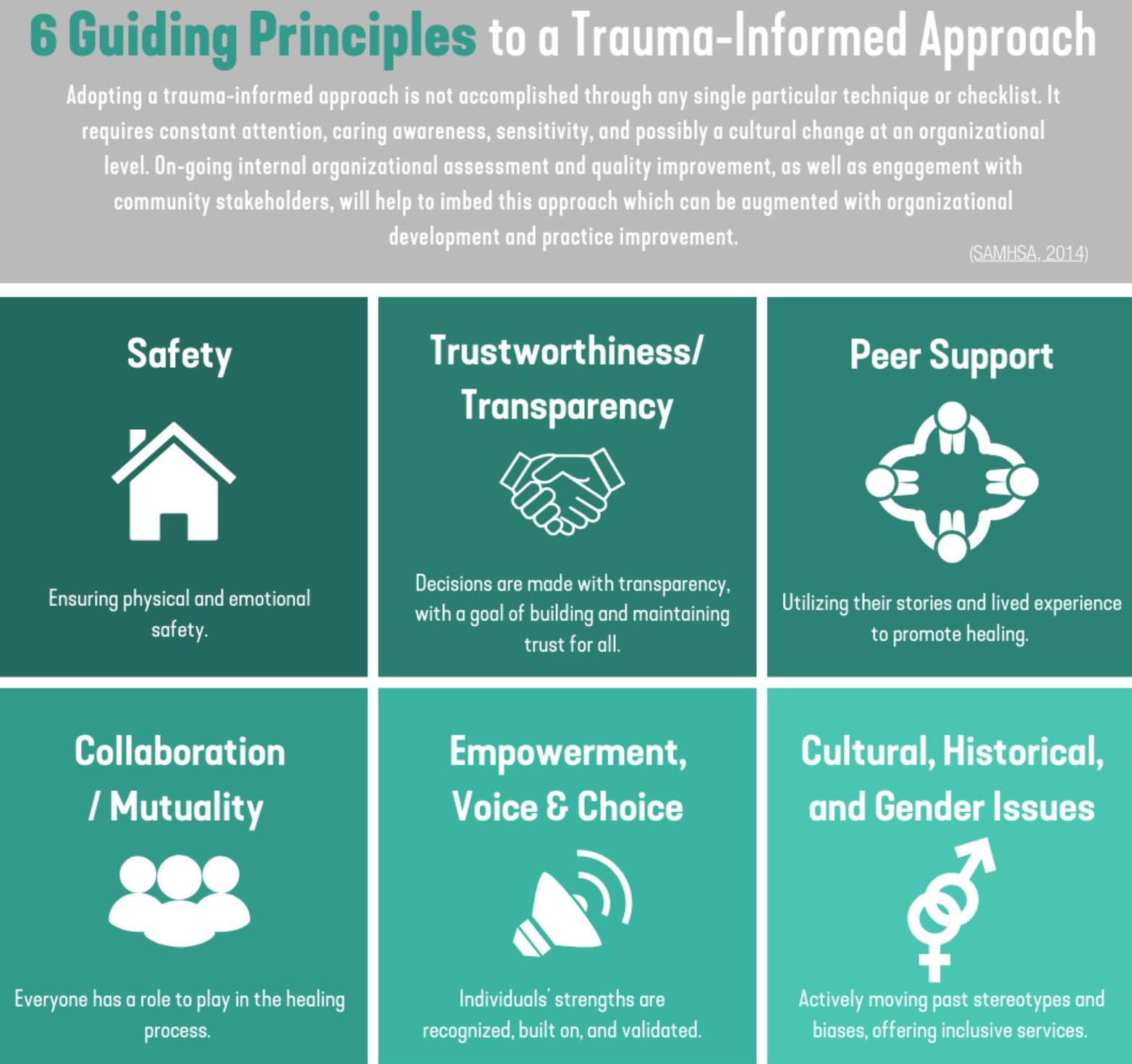
- Many trauma survivors benefit from approaches that prioritize nervous system safety and emotional containment.
What matters most is how safe, supported, and regulated you feel during the process.
Why Many Clients Prefer ART
Clients often report that ART:
- Feels faster and more efficient
- Does not require reliving trauma out loud
- Provides a stronger sense of control
- Reduces emotional intensity during sessions
- Creates lasting relief with fewer sessions
For individuals who feel emotionally flooded, avoidant, or exhausted by traditional talk therapy, ART can be a powerful alternative.
Final Thoughts
Trauma therapy isn’t about forcing yourself to relive pain—it’s about helping your brain and body finally let go of it.
Both EMDR and ART are effective, evidence-based treatments. The best choice is the one that aligns with your comfort level, nervous system, and healing goals.
If you’re curious about trauma therapy but unsure where to start, working with a therapist trained in gentle, body-aware approaches can make all the difference.
Healing doesn’t have to hurt to work.